
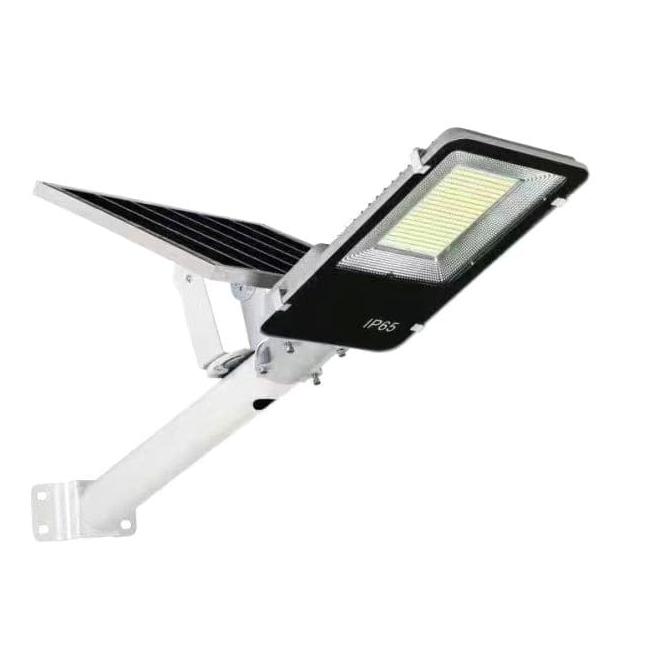
One of the first homeowner projects I did eight years ago involved a customer whose driveway resembled a dark tunnel nightly. He complained he had done three sets of cheap “bargain” lights in just two years. I watched him pull several rusted, waterlogged, cheap plastic stake lights from the ground. What a waste! I told him then and I’ll tell you now: the real secret to a safe and attractive outdoor space is buying long lived solar post lights designed to withstand multiple years of sun and snow.
The year is 2026 and the days of the solar lights of the past are gone. We are no longer using solar lights that produce a dim, blue light that flickers and dies by 10. Today’s premium solar lights are using the same battery technology as electric vehicles and are using high-quality LED chips that produce LED lights that can light a 20-foot radius. If you are looking for a solution to quickly add solar lights, choosing high-quality lights will solve your problems long-term.
In my opinion, the shift to sustainable home improvements is not a trend, it is a necessity. When you make the right choice of long lasting solar post lights, you are making three decisions.
1. Safety. You will ensure your walkways and entrances are very well lit.
2. Savings. There is no increase in your monthly utility bill.
3. Sustainability. Your home will use 0% fossil fuel for electricity and 100% renewable energy from the sun to run your exterior lights.
I have personally installed many of these systems, and I have seen what works in the summer heat and in the brutal, freezing rain of winter. Let’s get into how to choose the top lights for your home.
What are Long-Lived Solar Post Lights and How Do They Work?
Long-lived solar post lights seem like magic, but simple engineering principles explain how they work. Four components work together in the sturdy casing: a rechargeable battery, a photovoltaic (PV) panel, a small controller (brain), and a set of LED chips.
As the day progresses, the PV panel mounted on top of the lights turns sunlight into DC electricity while sipping on the sunlight. The controller diverts the electricity into the battery for storage. The quality of the “brain” is what makes the light in my ten years of testing. The best controllers, even on cloudy or gray days, know how to evenly distribute the charge to avoid battery damage from overcharge.
Long-Lived solar post lights work from dusk to dawn. Once the sun goes down, the lights are able to start powering other lights from a battery. This action is controlled by a switch on the solar panel. The solar panel also uses high quality materials which give it a longer life compared to other lights. These materials are monocrystalline, which also helps with UV protection.
Perks of Long-Lived Solar Post Lights for Your Home
When talking to my friends about solar lights, the main point I stress is the amazing benefits solar lights provide. Here are the biggest pros that I have experienced personally.
• Other lights will require you to dig trenches to bury protective tubing and have to be cemented to a wall. With solar lights, it is a set up and forget it situation with no disruptive landscaping.
• Your lights will provide peace of mind. If the neighborhood goes dark for any reason, your perimeter will remain lit for all to see!
• Zero Operating Costs: Other than the initial purchase, the lights are free. Compared to a set of 12-volt halogen lights, we save approximately $40 to $80 yearly on electricity costs.
• Automatic Operation: You will not ever have to remember to flick a switch or set a timer, as they are fully automatic and truly “set and forget” lights.
Important features to consider for 2026
When checking out posts on our entire long-lived solar post lights collection, think beyond aesthetics. Pay close attention to the specs as well. For 2026, I have created a list of essential features that you should consider:
Brightness (Lumens)
I recommend a minimum of 200 lumens for walkways. For true safety and visibility, you should look for models that provide 300 to 500 lumens, as anything less is just “ornamental” lighting that won’t illuminate your path.
Battery Capacity & Type
For 2026, the best option will be the LiFePO4 (Lithium Iron Phosphate) battery. These are a considerable improvement over the traditional Ni-MH batteries and can withstand more than 2,000 charge cycles, outlasting the competition by 5-7 years before needing replacement.IP Rating (Weatherproofing)
Pick lights with at least an IP65 rating. I replaced all plastic models for a client after one rainy winter because the models had IP44 ratings, which means that they cannot withstand heavy downpours. IP65 means the light is dust-tight and can withstand water being sprayed at the light from all angles.
Housing Materials
Steer clear of thin, brittle plastics. In 2026, the best long-lived solar post lights will be made from die-cast aluminum, stainless steel, or high-impact UV-stabilized polycarbonate. In my opinion, aluminum is the best option since it will also help with LED heat dissipation, which further prolongs their lives.
Different Types / Styles of Long Lived Solar Post Lights and Which to Choose
Of course, not every yard is the same and neither should the lights. The three main styles I use for my projects are:
• Bollard Style: These are taller (usually 15–30 inches) and provide a wide pool of light. These are best for driveways and main garden paths.
• Stake Lights: These are the most common. They are great for flower beds and soft-edged walkways. If you want a stake light that actually packs a punch, look for this high lumen model.
– Flat/Pier Mount: Instead of a long pole, these types of lights have no pole at all, and are meant to rest on top of a brick pillar or deck rail. They are great for openings.
– Smart Post Lights: These are capable of adjusting color temperature and brightness by using an application. They have an adjustable range from warm white to cool white.
My Top 8 Picks for Long-lasting Solar Post Lights from ralighting.net
These models have been through severe tests of weather and a runaway lawnmower from my neighbor.
If you want lighting for a dark driveway, get the Titan 500 model. It is the closest option to a wired street lamp in the solar light industry.
Mistakes to Avoid and the Easy Installation Steps
It is easier to install long lived solar lights than replaceable wired lights, but there are some tips that will make the installation last the longest, about 10 years.
Steps to Installing:
1. “The Sunlight Audit” Before installation, walk your yard and look for potential shadow casters like trees or buildings. A solar panel requires 6 hours of direct sun to operate at peak performance. Any obstacles blocking your light are critical to the location you select.
2. Battery Priming: Before turning the lights on, place the lights in the on position and leave them in the sun for 48 hours. This gives the battery its best initial full charge.
3. Ground Preparation: If the clay or soil is old and hard-packed. You can’t just insert the stake. If you do, the connector will break. Before inserting the stake, use a screw driver or a small spade to create a hole.
4. Height Adjustment: All your bollards should be the same height. If one is too low, the whole thing looks unprofessional. Finish that look with a small spirit level.
Common Mistakes:
• Shadow Snagging: Never place your best solar path lights directly under a dense evergreen tree. Even light that comes through the tree can lower the charge by half.
• Light Competition: Your solar post lights should never be placed close to a bright porch light or a street lamp. If your solar lights are illuminated by one of those lights, the sensor will think it’s still daytime and will prevent the lights from turning on.
Tips to Extend the Life of Your Long Lived Solar Post Lights to 7-10+ Years
It’s common to see people get rid of perfectly functional lights because they think a small amount of dirt means they are done for. If you spend 10 minutes a year keeping up with small maintenance tasks, you can prolong the brightness of your solar lights for 10 years.
- “Eye” Cleaning – Solar systems are closed to a small eye. When they encounter dirt, dust, bird droppings, etc. It can act like a dimmer switch for the panels. Make it a habit every spring and fall, to get a damp micro-fiber and untarnish it.
- Checking Seals – Once a year, take the top off the solar light and look for bugs and moisture. If it’s just a little condensation, clean it out and check to make sure the rubber gasket is seated right.
- Winter Strategy – If your snowy spot gets 5-foot snowdrifts, I’d recommend pulling out any stake lights you have. But if you have our long lived solar post lights with tempered glass, be sure to brush off the snow from the solar panels so they can charge.
- Battery Refresh: At around year 5, the lights may only stay illuminated for 3-4 hours before shutting off. Don’t throw them away! The internal batteries are often replaceable for a few dollars, and the light should perform “like new” again.
Real Cost Breakdown & Payback Time
Let’s do some math. Many people are not willing to spend $40-60 for a premium long lived solar post lights unit and instead choose the $5 plastic option. However, the “cheap” options are actually more expensive in the long run.
Summary: Long Lived Solar Post Lights Will Transform Your Garden
If solar lights are something you’ve been looking into, let 2026 be thw year you finally make that change. It’s really nice being able to see your garden light up at dusk without seeing any putting lights or hearing any unnecessary noises. I have been part of this industry for over 10 years, and we finally have a product that functions as well as old grid-tied systems.
Opting for long lived solar post lights is a decision made for your home’s safety, your wallet, and the environment. Your solar post lights are made for the real world; the rain, wind, and passing years.
FAQ
Q: Do these lights work in the winter when it’s cloudy?
A: Yes! Our 2026 models are equipped with monocrystalline panels that can even harvest energy from indirect light. If the light runs for 8 hours instead of 12 on a very dark winter day, your safety lighting will still work
Q: how do I distinguish a light that will last a long time and one that is just cheap.
A: Look at weight and material. If the light feels like a toy, it is one. A long lived solar post light will have metal housing (aluminum or steel) and a glass cover not thin plastic film like the solar cell.
Q: Is it okay to install these lights in the shade?
A: We do not recommend full shade as the battery will not charge if it is in complete shade all day. But if there is at least some “dappled” sun or 4 hours of direct sun, our high-lumen models are designed to perform quite well in these conditions.
Q: Are the batteries replaceable?
A: Yes. “We at ralighting.net, are committed to sustainability. Our lights are designed so you can replace the standard-sized LiFePO4 cells in less than 2 minutes with a screwdriver.
Q: How many lumens do I need for a long driveway?
A: For a long driveway where you intend to drive a car, I would recommend positioning lights 8-10 feet apart with units of at least 400 lumens. This will achieve a distinct “runway” effect to aid in direction.
Q: Will the solar panels break if it hails?
A: Our professional-grade models will not break. We use tempered “Gorilla” glass to protect the long-lived solar post lights. It is designed to withstand 1 inch hail at terminal velocity.
Q: Do I need to turn them off during the day?
A: No, there is no need to turn them off. The brain controls all functions. They turn on during the day to charge and off at night. Just put them in and leave them be!
Would you like me to assist with determining how many lights would be appropriate for the exact length of your driveway or your garden design?