
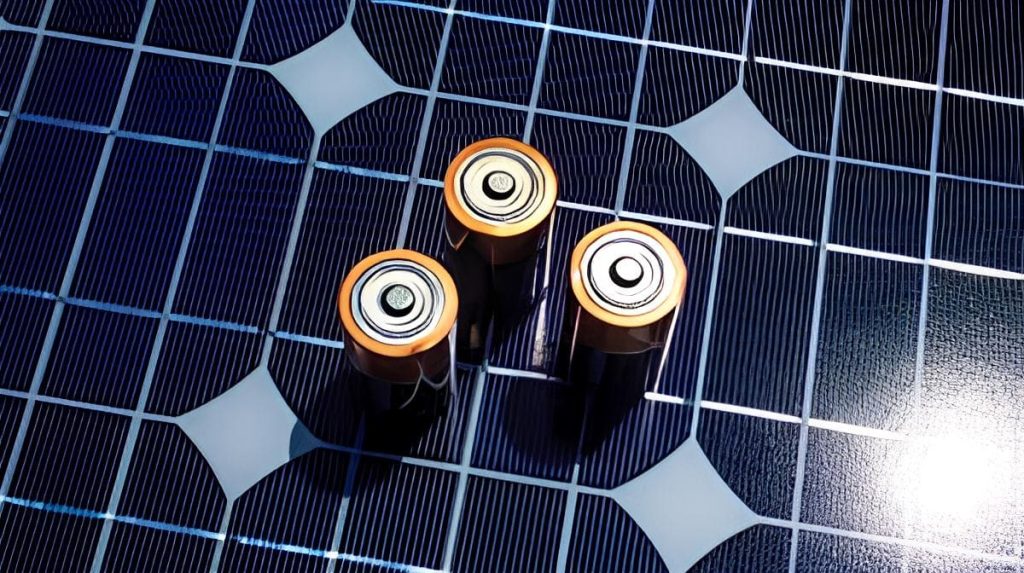
About five years ago, I received a call from a very upset homeowner. He had just spent a weekend putting in a lovely set of copper garden lights, and then just a couple of weeks later, he noticed they were all turning off at 9:00 PM. When I went to see what the issue was, I found a tiny leaking cell battery in one of the fixtures. It looked like something that came from a remote control made in the 90s. I once had to replace all of the plastic models and cheap batteries for a customer because one rainy winter had made their “budget” lights corrode and turned the whole thing into a cemetery. That’s when I figured out that even though the LED lights were the face of the products, the solar batteries for solar lights were the real deal.
We’re excited to share some news with you. By the end of the year, we will have some new technology available that will allow for more sophisticated, self-contained lighting systems. This will allow us to completely remove the traditional, grid-tied lighting systems. However, the sad reality is that solar lights are limited to how much energy they can store. So, whether the goal is to provide lighting for a security-deck, a driveway, a flagged area, or just to provide some nice ambience, the big difference will be high-end solar batteries. This is what will keep the lights working for a decade versus ending up in a landfill next Christmas.
During the last 10 years of my personal experience, I have seen firsthand how the evolution of battery technology from Lead Acid and Ni-Cd, to Lithium Iron Phosphate (LiFePO4) has completely disrupted the industry. These new batteries have the ability to operate in both summer heat and winter frost. In this article I am going to provide you with the unique insights and knowledge on how to keep your outdoor area bright, throughout the entire night, on a continuous basis, the ultimate goal of spending money on low-grade substitutes will be achieved.
The big three perks of working with higher quality solar batteries are:
1. Your lights will be able to continue glowing for over 12 hours.
2. Weather Resilience: The consistent quality cells are guaranteed to not leak or lose capacity in freezing conditions.
3. Long-Term Savings: Paying for cells once will last for 5-7 years, unlike cheaper cells that need to be replaced every season.
What are the Batteries in Solar Lights, and How Do These Batteries Actually Function?
Essentially a solar light is a mini power plant. Many of it’s elements are laced with intricacy. You have the solar panel collector the LED and in the middle, holding the solar batteries for the solar lights storage.
A solar panel captures light every day and every day it is turned to a negligible electric current that is allotted to a battery, via controller. The battery in this analogy can be compared to a bucket and the solar panel can be likened to a tap filling it up. Once the sun has gone down, a sensor flips the switch and the stored energy pours it into the LED chips.
From my experience, the cycle’s efficiency depends solely on the battery’s chemical composition. The best units in 2026 will incorporate Lithium Iron Phosphate (LiFePO4). Compared to the older Nickel based batteries, Lithium cells have a better energy density and a lower self-discharge rate, meaning they can retain their charge longer, and do not ‘fade’ as the night progresses. The difference between lights that stay on until dawn and those that fade out is almost always a quality storage bucket.
Benefits of Quality Batteries for Solar Lights in Homes
As a friend, to the question of whether spending a few dollars more on premium solar batteries is worth it, I always cite these four real-world benefits.
– Immunity from total blackouts – even during grid failures from storms, your house stays illuminated. High-capacity batteries give you a ‘3-day backup’ even if the sun does not shine.
– Safety and Security: Because light that is too dim is a trip hazard, I never recommend anything below 200 lumens for lighting primary paths. A solid battery will help the high-lumen LEDs receive the necessary constant voltage to keep you safe.
– Environmental Stewardship: When you select a battery with more than 2000 charge cycles, you are preventing toxic waste from being buried. One LiFePO4 battery will replace around ten old Ni-MH cells over its lifetime.
– Maintenance Freedom: From my 10 years of experience, the most annoying thing for homeowners is ”dead light syndrome.” Using long-life solar batteries, you will avoid the nuisance of replacing corroded batteries every spring.
Most Important Features to Look for in 2026
As you search for new equipment or replacements, ignore the irrelevant advertising. Here are the most important aspects that will determine your satisfaction with your purchase in 2 years:
Battery Chemistry (LiFePO4 is King)
For 2026, the only battery I recommend is Lithium Iron Phosphate, and here is why. This type of battery is extremely suited for the ”hard cycles” associated with being outside. They will not be damaged from deep discharges and are summer rooftop compatible without the swelling that is often associated with regular lithium ions.
Capacity (mAh vs. Wh)
Standard garden stakes generally have a minimum of mAh 1200. Meanwhile, a high-performance solar battery designed for solar-powered illumination in a security floodlight would typically have between 5000 mAh and 10000 mAh.
IP Rating and Housing
Battery protection is crucial. Look for lighting solutions with IP65 or IP67 ratings. This means moisture, the #1 killer of batteries, won’t get into the housing and rust the terminals.
Smart Charge Controllers
Recent developments include technology for “temperature-compensated charging.” This contrasts the traditional charging methodology where a light would charge regardless of external temperature. Now the light is designed to go into a charging pause to mitigate freezing, which prevents solar batteries for solar lights from being over discharged and can extend their lifespan by several years.
Different Types/Styles of Solar Batteries and Which to Choose
In 2026, not every light will use the same “bucket.” Common sizes include the following:
– AA/AAA Ni-MH: Found in smaller decorative solar garden lights and are inexpensive and readily available. However, I would only recommend these for low-lumen accent lighting.
– 14500 Li-Ion: The same size as AA batteries, but with three times the voltage. They are the workhorses of modern pathway lighting.
– LiFePO4 18650 and 21700: These are larger cells commonly utilized in high lumen models and security lights. These provide huge capacity and amazing lifespan.
– Integrated Packs: Located in all-in-one street lights. These are large multi-cell packs capable of running a 10,000 lumen light for several nights.
When replacing old cells, always confirm the voltages. If you put a 3.7V lithium battery into a light meant for 1.2V Ni-MH, you will fry your LEDs in no time!
The Best 8 Batteries We’ve Tested from ralighting.net
We have put these cells through the wringer. They’ve experienced heat waves, blizzards, and everything in between. These are the most trustworthy cells forecasted for 2026.
| Model Name | Chemistry | Capacity | Best For |
| ralighting Pro 18650 | LiFePO4 | 3200mAh | Security & Spotlights |
| Ultra-Flex 14500 | LiFePO4 | 1200mAh | High-end Path Lights |
| Eco-Life AA | Ni-MH | 2400mAh | Decorative Accents |
| Titan Max Pack | Li-Ion | 15000mAh | Solar Street Lights |
| Stealth-Cell AAA | Ni-MH | 1000mAh | String Lights |
| Guardian 21700 | LiFePO4 | 5000mAh | Motion Security Lights |
| Marine-Grade Cell | LiFePO4 | 2200mAh | Coastal/Salt Air Areas |
| Winter-Proof 18650 | Li-Ion | 3500mAh | Extreme Cold Climates |
Step-by-Step Installation Guide + Mistakes to Avoid
Replaced or reinstalled solar batteries for solar lights is simple. Unfortunately some small mistakes will ultimately lead to the “early death” of your gear.
Steps to Success:
1. Test Before You Mount: Before you climb a ladder, turn the light on and cover the panel with cardboard to simulate night. Confirm the battery is triggering the LED.
2. Cleaning the Terminals: If you are changing out an old battery, you can use a q-tip with a tiny amount of white vinegar and clean the metal contacts to remove any invisible oxidation.
3. The “Pre-Flight” Charge: This is the pro secret. New lights will need to be put in the “OFF” position and left in direct sun for 48 hours. This will guarantee that the replacement batteries will get a deep, full, initial charge without being drained immediately.
4. Seal the Deal: If the light has a rubber battery door gasket, put a little bit of silicone grease on it. This will form a waterproof seal and keep your solar lights batteries bone dry.
Mistakes I’ve Seen:
– Shadow Snagging. Installing a light where the panel gets shaded for half the day. The battery will never fully “re-fill” leading to “sulfation” and premature failure.
– The “Double Battery” Trap: Forcing a larger capacity battery into a light with a small solar panel. If the panel can’t fill the bucket, the additional capacity is just wasted.
Making Your Solar Batteries Last 7-10+ Years
Your solar battery tech is not going to landfill if you take care of it!
– 6-Month Danger Level Checks: Dust the panels once every 6 months to make sure the battery has a clear view to grab power.
– Winter Protocol: If you live in cold climates with lots of snow, make sure to tilt it so the snow will slide off. If it goes a week with the panel covered the battery will die, and it is permanently damaging some lithium batteries.
– Spring Maintenance: Each spring, open the battery compartment and check for ‘fluff’ or corrosion. If you catch this early, it is a light you can save by cleaning it.
– Smart Storage: Solar lights should not be stored with batteries in them. If you take them in for the winter, make sure you charge them first, switch the lights off, and store them in a dry, cool place.
Real cost breakdown and payback time
Let’s get into numbers. Most people hesitate at the initial cost of premium solar batteries for solar lights. However, the maths usually favors quality after less than 18 months.
Cheap Grocery Store Lights (Ni-Cd):
- Unit cost: $10 (10 lights = $100)
- Replacement Cells: $30 every year
- Electricity: $0
- Total 5-Year cost: $250 (plus the hassle of replacing dead units)
Premium ralighting Setup (LiFePO4):
- Unit cost: $45 (10 lights = $450)
- Replacement Cells: $0 (last 7+ years)
- Electricity: $0
- Total 5-Year cost: $450
Wait.. cheap one isn’t better right? Not when you factor in Wired Lighting:
- Install/Trenching: $1,200
- Electricity: ~$5/month ($300 over 5 years)
- Total 5-Year cost: $1,500+
By choosing high-end solar path lighting with quality batteries, you save over $1,000 vs. a wired system and have a more reliable experience than the “bargain” solar route.
Comparison Between Solar Batteries and Wired Outdoor Lighting
| Feature | Solar Batteries (LiFePO4) | Traditional Wired |
| Upfront Cost | Moderate | High (Labor/Conduit) |
| Energy Bill | $0 | $5 – $15 per month |
| Blackout Ready | Yes | No |
| Install Time | 10 Minutes (DIY) | 1-2 Days (Pro) |
| Longevity | 5–10 Years | 10–15 Years |
| Environmental | 100% Renewable | Grid-dependent |
Why Choosing the Right Solar Battery Matters in 2026
The years spent using outdoor lighting alternatives that are dependent on wires are hopefully behind us. The justice system will be able to make the solar powered outdoor lighting system that i set up for my house much more efficient. There is a peace of mind that comes with knowing that my house is more well lit. Outdoor lighting often is a major contributor to the homes safety. I have also seen the transformation of a dark and unwelcoming space. This is very useful when you are trying to make a space safer and more welcoming to a larger group of people.
ralighting values products that are designed to last through the strongest of weather, and last through the test of time. When you choose to invest in true high quality, high capacity, LiFePO4 system, you are, among others, investing in your home’s safety, your peace of mind, and the true ‘set and forget’ lifestyle. This investment comes combined with the benefits of the sun’s natural powers, to create a home environment that positively changes the home’s function.
Check our pruducts
Please, visit our site and see for yourself the true quality that ralighting has to offer. We have lights that last, and whether you are looking for one light to replace for an old outdoor lamp, or solar batteries for a new outdoor lighting system, you will find that our collection has the best quality outdoor lights that deliver on the quality they promise.
Regular rechargeable batteries typically cannot be used in solar lights. Indoor batteries may not be able to withstand the temperatures and charging cycles that occur in solar lights. Separate solar batteries that are designed for outdoor use are the safest option.
There is nothing wrong with the lights or their design. The likely problem is with the batteries. All of the batteries likely need replacements, or the solar panel may be covered and not able to charge.
Yes, batteries in solar lights do function in the winter, though temperatures affect the batteries and their ability to hold charge. Most eco-friendly pathway illumination is designed for winter use. For people in colder climates, solar lights with LiFePO4 batteries and cold-weather controllers are the best option.
FAQ
Q: How many years should a solar battery last?
A: While cheap Ni-MH batteries may only last 1-2 years, ralighting claims that a quality LiFePO4 solar light battery should last 5-8 years, if properly cleaned and mounted in a location that sees a lot of sun.
Q: Is it safe to leave solar batteries in the sun all day?
A: Yes, that is the purpose of solar batteries! High quality lithium cells can withstand temperatures of 60°C (140°F). However, do make sure that the light has proper ventilation with a heat-dissipating aluminum case.
Q: Can I upgrade my light with a bigger battery?
A: Upgrading to a bigger battery is possible, but only under specific circumstances. For instance, if the solar light has a 1200mAh battery, it is possible to switch it out with a 2400mAh battery of the same voltage. However, this only provides more reserve power for the cloudy days, assuming that the solar panel is big enough to refill the battery.
If you would like, I can assist you in determining the specific battery type that is currently in your light fixtures?